
Couplet #1شعر ۱
زحالِ مسکیں مکن تغافل دورائے نیناں بنائے بتیاں
کہ تابِ ندارم اے جاں نہ لیہو کاہے لگائے چھتیاں
Zehal-e-miskeen makun taghaful doraaye naina banaye batiyan
Ke taab-e-hijran nadaram aye jaan na leeho kaahe lagaye chhatiyan
Complete GHAZAL with English Translation, Roman Urdu & Tashreeh
حضرت امیر خسرو دہلوی (1253–1325) کی یہ غزل برصغیر پاک و ہند کی لسانی اور شعری تاریخ کا سب سے انوکھا اور معجزاتی شاہکار ہے۔ اس غزل کا پہلا مصرع فارسی زبان میں ہے اور دوسرا مصرع برج بھاشا (قدیم ہندوی/اردو) میں ہے۔ خسرو نے فارسی کی علمی نزاکت اور ہندوی کی جذباتی مٹھاس کو ملا کر اس مشترکہ تہذیب کی بنیاد رکھی جس سے بعد میں اردو زبان نے جنم لیا۔ یہ کلام صوفیانہ محافل اور قوالیوں میں سات صدیوں سے وجد کا ذریعہ بنا ہوا ہے۔
Hazrat Amir Khusro's 'Zehal-e-Miskeen Makun Taghaful' is a legendary linguistic miracle composed in the 13th century. Alternating line by line between classical Persian and archaic Braj Bhasha/Hindavi, Khusro harmonized Persian courtly sophistication with indigenous Indian musicality, laying the very bedrock from which the Urdu language evolved. Sung across seven centuries by Qawwali masters from Nusrat Fateh Ali Khan to Sabri Brothers, it remains an eternal hymn of divine and romantic yearning.
زحالِ مسکیں مکن تغافل دورائے نیناں بنائے بتیاں
کہ تابِ ندارم اے جاں نہ لیہو کاہے لگائے چھتیاں
Zehal-e-miskeen makun taghaful doraaye naina banaye batiyan
Ke taab-e-hijran nadaram aye jaan na leeho kaahe lagaye chhatiyan
شبانِ دراز چوں و روزِ چو عمرِ کوتاہ
سخی پیا کو جو میں نہ دیکھوں تو کیسے کاٹوں اندھیری رتیاں
Shabaan-e-hijran daraaz choon zulf o roz-e-waslat cho umr-e-kotah
Sakhi piya ko jo main na dekhoon to kaise kaatun andheri ratiyan
یکایک از دل دو چشمِ جادو بصد فریبم ببرد تسکیں
کسے پڑی ہے جو جا سناوے پیارے پی کو ہماری بتیاں
Yaka-yak az dil do chashm-e-jaadu ba-sad farebam baburd taskeen
Kise padi hai jo ja sunaway pyare pee ko hamari batiyan
بحقِ آن مہ کہ روزِ محشر بدادِ نورِ تجلیِ خود
نہ خوسروؔ را فریب دادند نہ چھوڑ دیہو تو موہے ستیاں
Ba-haqq-e-aan meh ke roz-e-mehshar ba-daad-e-noor-e-tajalli-e-khud
Na Khusro ra fareb daadand na chhod deeho tu mohe satiyan
Zehal-e-miskeen makun taghaful doraaye naina banaye batiyan
Ke taab-e-hijran nadaram aye jaan na leeho kaahe lagaye chhatiyan

Shabaan-e-hijran daraaz choon zulf o roz-e-waslat cho umr-e-kotah
Sakhi piya ko jo main na dekhoon to kaise kaatun andheri ratiyan

Yaka-yak az dil do chashm-e-jaadu ba-sad farebam baburd taskeen
Kise padi hai jo ja sunaway pyare pee ko hamari batiyan

Ba-haqq-e-aan meh ke roz-e-mehshar ba-daad-e-noor-e-tajalli-e-khud
Na Khusro ra fareb daadand na chhod deeho tu mohe satiyan
Do not look with indifference upon the plight of this humble, wounded soul, by averting your eyes and inventing excuses; For I have no endurance left to suffer separation, O my life; why do you not clasp me to your bosom? The nights of estrangement are long as trailing dark tresses, while the day of reunion is brief as ephemeral life; O dear confidante, if I gaze not upon my Beloved, how shall I ever endure these pitch-black nights? All at once, those two enchantress eyes, with a hundred magical subtleties, robbed all serenity from my heart; Who cares in this heedless world to go and whisper my tearful laments to my beloved? By the sacred glory of that radiant Moon whose splendor will illuminate the Day of Resurrection, Do not deceive Khusro, nor abandon this faithful soul to perish alone!
The genius of this bilingual masterwork lies in its seamless structural symmetry: the Persian hemistich provides formal philosophical restraint, while the Hindavi hemistich infuses immediate folkloric passion. In the opening couplet, the speaker begs the beloved not to feign indifference or concoct polite pretexts; separation has pushed human endurance to its extreme breaking point. The second couplet contrasts the agonizing duration of loneliness—stretched out like endless black tresses—with the tragically fleeting nature of reunion, reflecting classical Sufi imagery. The conclusion swears a sacred oath upon the celestial splendor that will illuminate Judgment Day, imploring the Divine Beloved never to deceive or forsake the devoted seeker in the wilderness of isolation.
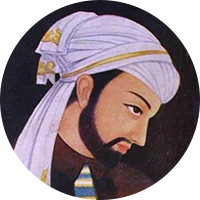
"Zehal-e-Miskeen Makun Taghaful Doraaye Naina Banaye Batiyan" (زحالِ مسکیں مکن تغافل دورائے نیناں بنائے بتیاں (مکمل غزل)) was composed by Hazrat Ab'ul Hasan Yamin ud-Din Khusrau (Amir Khusro) (امیر خسرو). It is a classical ghazal celebrated in Urdu literature for its artistic excellence and emotional depth.
The genius of this bilingual masterwork lies in its seamless structural symmetry: the Persian hemistich provides formal philosophical restraint, while the Hindavi hemistich infuses immediate folkloric passion. In the opening couplet, the speaker begs the beloved not to feign indifference or concoct polite pretexts; separation has pushed human endurance to its extreme breaking point. The second couplet contrasts the agonizing duration of loneliness—stretched out like endless black tresses—with
Yes, Poetry in Urdu provides complete dual-script access: authentic Nastaliq Urdu calligraphy, line-by-line Roman Urdu transliteration for diaspora readers, English translation, and a difficult vocabulary glossary (Lafz-Nama).
Hazrat Amir Khusro (1253–1325) was an iconic Sufi poet, musician, and scholar disciple of Hazrat Nizamuddin Auliya. Revered as Tuti-e-Hind (Parrot of India), he pioneered Rekhta and classical South Asian music.
View Complete Profile & KalamMore verified works to explore