
Couplet #1شعر ۱
گرچہ ہے ملکِ دکن میں بھی بڑی قدرِ سخن
پر نہ جائے کوئی دلی کی فضا چھوڑ کے اب
Garcha hai mulk-e-dakan mein bhi badi qadr-e-sukhan
Par na jaaye koi Dilli ki faza chhod ke ab
Complete GHAZAL with English Translation, Roman Urdu & Tashreeh
استاد ابراہیم ذوق کا یہ مقطع اور غزل دلی کی تہذیب، زبان اور مٹی سے لازوال محبت کا تاریخی شاہکار ہے۔ حیدرآباد دکن کے شاہی دربار سے پرکشش دعوت اور مال و دولت کی پیشکش کے باوجود ذوق نے دلی کی غربت کو دکن کی امارت پر ترجیح دی اور دلی کی گلیوں کو جنتِ ثانی قرار دیا۔
Kaun Jaaye Zauq Par Dilli Ki Galiyaan Chhod Kar is Sheikh Ibrahim Zauq's immortal ode to the cultural and linguistic soul of Delhi. Declining lucrative royal invitations from the wealthy Nizam of Hyderabad (Deccan), Zauq chose Delhi's impoverished alleyways over gold.
گرچہ ہے ملکِ دکن میں بھی بڑی قدرِ سخن
پر نہ جائے کوئی دلی کی فضا چھوڑ کے اب
Garcha hai mulk-e-dakan mein bhi badi qadr-e-sukhan
Par na jaaye koi Dilli ki faza chhod ke ab
اہلِ دل کے لیے دلی ہے بہشتِ ثانی
کون جائے گا یہاں سے یہ چھوڑ کے اب
Ahl-e-dil ke liye Dilli hai bahishte saani
Kaun jaayega yahan se yeh dayaar chhod ke ab
یہ گلی کوچے ہیں تاریخ کے روشن اوراق
ہر قدم پر ہے محبت کی نشانی آراستہ
Yeh gali kooche hain tareekh ke roshan auraaq
Har qadam par hai mohabbat ki nishaani aaraasta
کتنے دربار چھٹے کتنے مٹے
پر نہ مٹ پائے گی دلی کی زباں کی شان اب
Kitne darbaar chhute kitne salaateen mite
Par na mit paayegi Dilli ki zubaan ki shaan ab
ان دنوں گرچہ دکن میں ہے بڑی قدرِ سخن
کون جائے ذوقؔ پر دلی کی گلیاں چھوڑ کر
In dinon garcha dakan mein hai badi qadr-e-sukhan
Kaun jaaye Zauq par Dilli ki galiyaan chhod kar
Garcha hai mulk-e-dakan mein bhi badi qadr-e-sukhan
Par na jaaye koi Dilli ki faza chhod ke ab
Ahl-e-dil ke liye Dilli hai bahishte saani
Kaun jaayega yahan se yeh dayaar chhod ke ab

Yeh gali kooche hain tareekh ke roshan auraaq
Har qadam par hai mohabbat ki nishaani aaraasta
Kitne darbaar chhute kitne salaateen mite
Par na mit paayegi Dilli ki zubaan ki shaan ab

In dinon garcha dakan mein hai badi qadr-e-sukhan
Kaun jaaye Zauq par Dilli ki galiyaan chhod kar
Although in the realm of the Deccan there is immense patronage for refined poetry: Yet none would ever venture to depart, leaving Delhi's poetic atmosphere now! For sensitive souls of the heart, Delhi is nothing less than a Second Paradise: Who could ever depart from here, forsaking this sacred homeland now? These winding streets and alleys are illuminated pages of living history; At every single stride, an emblem of true love stands adorned! How many imperial courts collapsed, how many mighty sultans were wiped away; Yet never shall the majestic glory of Delhi's Urdu tongue be erased now! In these days, though in the Deccan there is immense patronage for refined poetry: Yet who, O Zauq, would ever possess the heart to go, leaving the beloved alleys of Delhi behind?
Immortal patriotic love for Delhi's language and streets, preferring Delhi's dust over the wealthy courts of Deccan. In this revered ghazal, Sheikh Ibrahim Zauq weaves intricate emotional realism with classical lyrical cadence. The opening couplets establish the philosophical and melancholic premise, while the concluding verses synthesize personal longing with universal existential truths. Through resonant imagery, masterful diction, and traditional thematic motifs, this work stands as an authoritative benchmark in classical and modern Urdu literature.
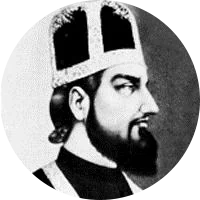
"Kaun Jaaye Zauq Par Dilli Ki Galiyaan Chhod Kar" (کون جائے ذوقؔ پر دلی کی گلیاں چھوڑ کر) was composed by Sheikh Muhammad Ibrahim Zauq (شیخ ابراہیم ذوق). It is a classical ghazal celebrated in Urdu literature for its artistic excellence and emotional depth.
Immortal patriotic love for Delhi's language and streets, preferring Delhi's dust over the wealthy courts of Deccan. In this revered ghazal, Sheikh Ibrahim Zauq weaves intricate emotional realism with classical lyrical cadence. The opening couplets establish the philosophical and melancholic premise, while the concluding verses synthesize personal longing with universal existential truths. Through resonant imagery, masterful diction, and traditional thematic motifs, this work stands as an author
Yes, Poetry in Urdu provides complete dual-script access: authentic Nastaliq Urdu calligraphy, line-by-line Roman Urdu transliteration for diaspora readers, English translation, and a difficult vocabulary glossary (Lafz-Nama).
Sheikh Muhammad Ibrahim Zauq (1789–1854) was the distinguished Poet Laureate (Khaqani-e-Hind) of the Mughal court and imperial mentor to Emperor Bahadur Shah Zafar.
View Complete Profile & KalamMore verified works to explore